Mirage-Mariposa Historical Tungsten Mine

Historical Mirage-Mariposa Tungsten Mine within the Gray Eagle Project

The Project comprises 33 contiguous unpatented lode claims totaling approximately 681.8 acres, located approximately 10 kilometres east of Bishop, California, within the White Mountains. The Project hosts multiple mineralized prospects developed along a granite–limestone contact, a geological environment associated with both tungsten skarn mineralization and hydrothermal precious-metal vein systems.

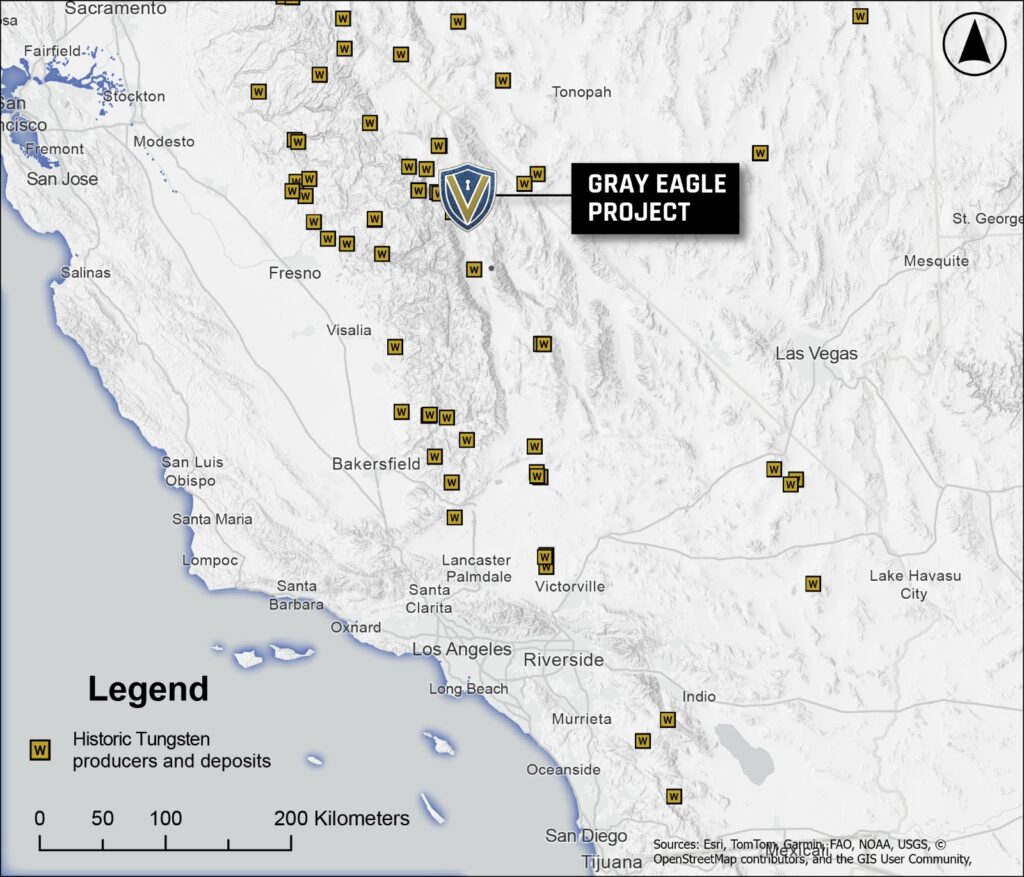
Figure 1. Mirage-Mariposa Historical Tungsten Mine Location 

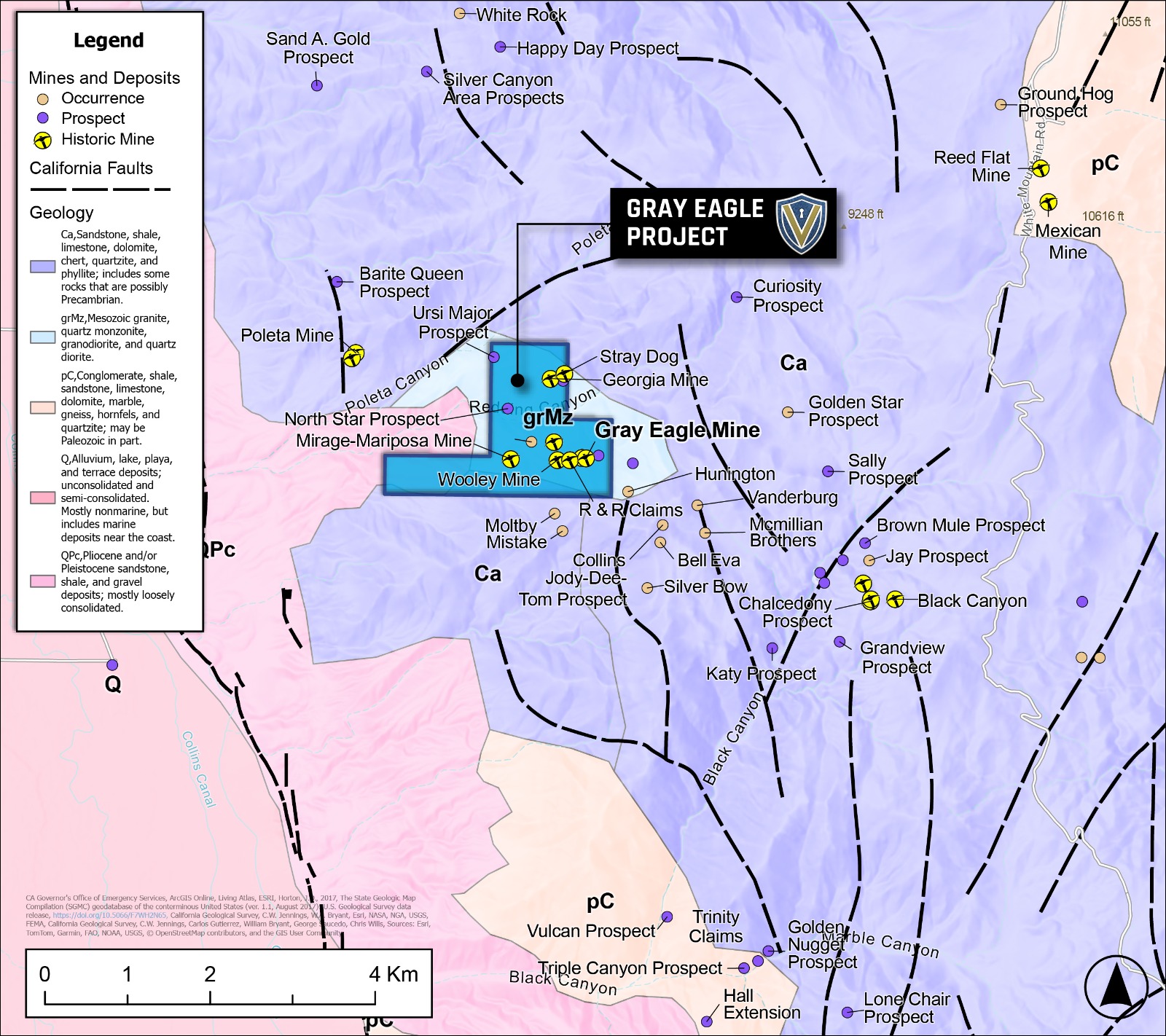
Figure 2. Gray Eagle Project Map Showing Mirage Mariposa Mine location

Historical overview of the Mirage-Mariposa Mine

The Mirage-Mariposa Mine is recorded in the U.S. Geological Survey’s (“USGS”) Mineral Resource Data System[1] as a past-producing tungsten and silver site in Inyo County, California. The record identifies tungsten as the primary commodity and silver as a tertiary commodity. The site is also listed under alternate or previous names including the Golden Mirage and Mariposa Claims, Wooley Mine, Black Canyon RARE II Area, and Golden Mirage Mine.
According to the USGS MRDS record, the deposit is associated with replacement-style and disseminated mineralization, with contact metasomatic processes noted as the primary mode of origin. The record describes the primary mineralization control as a contact zone, with intense wallrock alteration and carbonate-silicate alteration. Reported minerals and materials include scheelite, garnet, epidote, quartz, and argentite.
The USGS record describes the Mirage-Mariposa as having historical resources of approximately 21,000 indicated tons and 34,400 inferred tons, with an average grade of 0.15% tungsten trioxide. The record also describes historical underground and surface-related workings, including a shaft in the ‘glory hole’ reported to be 17 feet deep, a 40-foot-wide ‘glory hole’, and approximately 70 feet between the west end of the underground workings at the shaft and the headwall.
The historical resource discussion divided the mineralized area into blocks. Block 1 was reported to contain approximately 5,300 tons of indicated subeconomic resources. By extending the strike length 37 feet to the southeast, an additional 15,800 tons of indicated subeconomic resources were calculated as Block 2. Two inferred blocks were also calculated: the first comprising approximately 11,500 tons by extending Block 1 37 feet below the shaft, and the second comprising approximately 22,600 tons by extending Block 2 an additional 53 feet along strike.
The USGS MRDS record references several historical publications, including California State Mining Bureau reporting from 1894, U.S. Geological Survey Professional Paper 110 from 1918, Knopf’s 1912 USGS Bulletin 540, Bateman’s 1956 report on the economic geology of the Bishop tungsten district, and a 1983 U.S. Bureau of Mines mineral investigation of the Black Canyon RARE II Area.

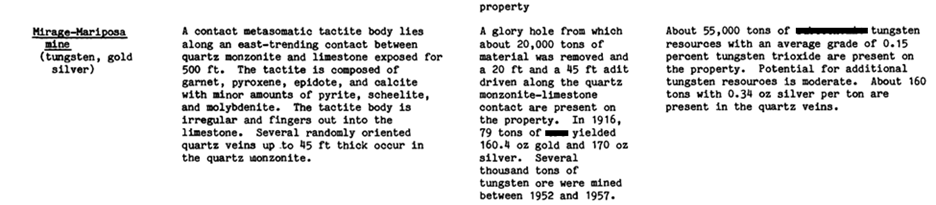
Figure 3. Excerpt from report – Redacted for compliance [2]
More about the project and various prospects will be made available on the Companys website at Home – Vault Strategic Mining Corp.

Historical Information and Exploration Context

The mineral properties comprising the Company’s portfolio have been the subject of extensive historical exploration, development work, and, in several cases, past commercial production or advanced-stage evaluations with the intent to commence mining. The historical exploration results, sampling, drilling, resource estimates, and other technical information referenced herein were completed prior to the adoption of National Instrument 43-101 – Standards of Disclosure for Mineral Projects (“NI 43-101”) and do not comply with current NI 43-101 requirements. As a result, such historical information and any historical resource estimates should not be relied upon as current mineral resources or reserves.
The Company has been provided with a compilation of historical data, including non-NI 43-101 compliant resource estimates and sampling results. While this historical information is non-compliant, it is considered highly relevant for exploration targeting, geological interpretation, and the design of modern exploration and evaluation programs.
Management believes that the existence of extensive historical work, past production, and prior feasibility-level evaluations creates a compelling foundation for modern exploration, particularly when reassessed using contemporary geological models, exploration technologies, metallurgical processes, and prevailing commodity prices. However, readers are cautioned that historical results, resources, or economic conclusions cannot be verified or confirmed at this time.
In order to define current mineral resources, assess metallurgy, and evaluate economic viability, the Company will be required to complete confirmation drilling, modern metallurgical studies, updated technical evaluations, and NI 43-101 compliant mineral resource estimates and feasibility or economic studies. There is no assurance that historical results will be confirmed or that any project will advance to economic viability.

Download Investor deck